

A full home remodeling project is one of the most exciting investments homeowners can make. Whether you’re updating an older property, improving functionality, or increasing resale value, a complete renovation can completely transform your living space. However, one of the most common questions homeowners ask before getting started is: “How long does a full home remodeling project take?”
The answer depends on several factors, including the size of the home, the scope of work, permit requirements, material availability, and the complexity of the design. While every project is unique, understanding the typical timeline can help you plan more effectively and set realistic expectations.
Understanding a Full Home Remodel
A full home remodel involves renovating multiple areas of a property rather than focusing on a single room. This may include:
Kitchen remodeling
Bathroom renovations
Flooring replacement
Interior and exterior painting
Electrical upgrades
Plumbing improvements
Structural modifications
Window and door replacement
Open-concept floor plan conversions
Because multiple systems and spaces are involved, these projects require careful planning and coordination.
Typical Timeline for a Full Home Remodel
Most full home remodeling projects take anywhere from 4 to 12 months from planning to completion.
Phase 1: Planning and Design (4–8 Weeks)

Every successful renovation starts with proper planning.
During this stage, homeowners work with designers, architects, and contractors to define project goals, establish budgets, and create construction plans.
Tasks typically include:
Initial consultation
Site inspection
Design development
Material selection
Budget planning
Construction drawings
The more complex the renovation, the longer the planning phase may take.
Image Suggestion 1
Phase 2: Permits and Approvals (2–8 Weeks)
In cities like San Francisco, obtaining permits can significantly impact the project timeline.
Permit requirements often apply to:
Structural changes
Electrical work
Plumbing modifications
ADU construction
Foundation work
The approval process varies depending on local regulations and project complexity.
Working with an experienced contractor can help streamline this process and reduce delays.
Phase 3: Demolition (1–3 Weeks)
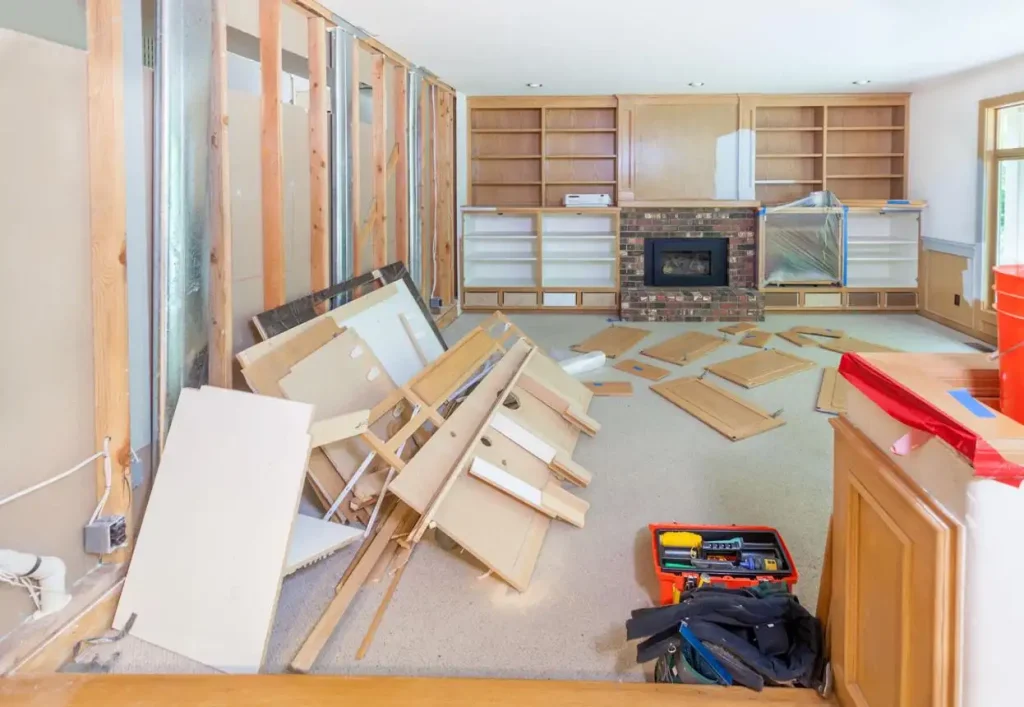
Once permits are approved, demolition begins.
This phase may include:
Removing cabinets
Demolishing walls
Removing flooring
Disconnecting utilities
Preparing the site for reconstruction
Unexpected issues such as water damage, mold, or outdated wiring may be discovered during demolition, potentially extending the schedule.
Image Suggestion 2
Phase 4: Structural and Mechanical Work (4–10 Weeks)
This is typically the most important phase of the renovation.
Contractors complete:
Framing
Foundation repairs
Plumbing installation
Electrical rewiring
HVAC upgrades
Insulation
Inspections are usually required before moving on to the next stage.
Homes built several decades ago may require additional upgrades to meet current building codes.
Phase 5: Interior Construction (4–8 Weeks)
After the rough construction work is completed, the home’s new layout begins to take shape.
Work includes:
Drywall installation
Flooring installation
Cabinet installation
Interior doors
Trim and molding
Tile work
This stage often creates the most visible transformation and is where homeowners begin seeing their design vision become reality.
Phase 6: Finishing Touches (2–4 Weeks)
The final stage focuses on details that complete the project.
Tasks may include:
Painting
Fixture installation
Appliance installation
Lighting installation
Final inspections
Punch-list corrections
Contractors address any remaining adjustments before project handover.
Image Suggestion 3
Factors That Affect Remodeling Timelines
Home Size
Larger homes naturally require more labor and materials.
A 1,500-square-foot renovation may take significantly less time than a 4,000-square-foot property.
Scope of Work
Cosmetic upgrades can often be completed faster than projects involving structural changes.
Removing load-bearing walls or reconfiguring floor plans adds complexity and time.
Material Availability
Custom cabinetry, specialty tile, imported fixtures, and premium finishes may have longer lead times.
Ordering materials early helps prevent delays.
Permit Requirements
Certain jurisdictions have stricter approval processes.
In San Francisco, permit reviews and inspections can add several weeks to a project schedule.
Unexpected Issues
Older homes often reveal hidden problems during construction, including:
Foundation damage
Water intrusion
Outdated electrical systems
Plumbing issues
Structural deficiencies
Contingency planning is essential for addressing these discoveries.
How to Keep Your Remodeling Project on Schedule
Homeowners can take several steps to minimize delays:
Choose an Experienced Contractor
A professional contractor understands scheduling, permitting, inspections, and project coordination.
Finalize Decisions Early
Changing materials or designs during construction can significantly increase timelines.
Order Materials in Advance
Securing products before construction begins helps prevent waiting periods.
Maintain Clear Communication
Regular meetings and updates keep everyone aligned and reduce misunderstandings.
Prepare for Unexpected Challenges
Setting aside contingency time and budget helps keep projects moving when surprises arise.
Is Moving Out During a Full Remodel Necessary?
In many cases, yes.
Full home remodeling often involves:
Temporary utility shutdowns
Construction dust
Noise
Restricted access to kitchens and bathrooms
Many homeowners choose temporary housing during major renovations to improve safety and convenience.
For smaller projects, remaining in the home may still be possible depending on the work being performed.
Final Thoughts
A full home remodeling project is a significant investment that requires careful planning and patience. While timelines vary, most complete renovations take between four and twelve months from concept to completion.
The key to a successful remodel is partnering with an experienced construction team that can manage permits, scheduling, materials, and craftsmanship throughout every stage of the process.
With proper planning and realistic expectations, homeowners can enjoy a smoother renovation experience and achieve results that enhance both the beauty and value of their property for years to come.